
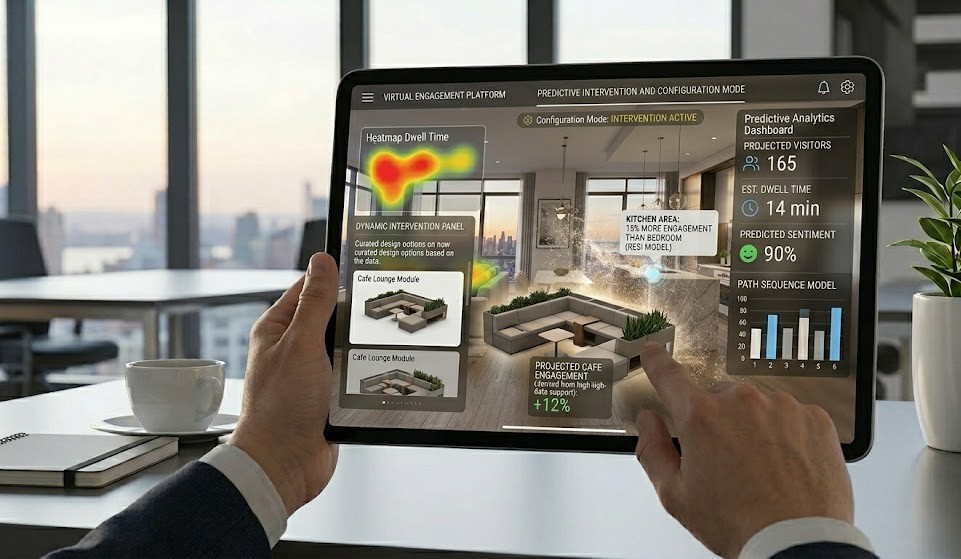
The real estate industry is undergoing a profound digital transformation.
The traditional methods of relying solely on flat, two-dimensional photographs or basic video walkthroughs to showcase a property are rapidly becoming outdated. Today, buyers, renters, and investors demand an immersive, true-to-life experience before they even consider setting foot in a physical location. This shift in consumer expectation has paved the way for the photorealistic 3D real estate app—a technology that is fundamentally changing how properties are marketed, explored, and sold.
What is a Photorealistic 3D Real Estate Platform?
A photorealistic 3D real estate platform leverages advanced rendering engines and architectural visualization techniques to create highly accurate, interactive digital twins of physical spaces.
Unlike standard 360-degree panoramas, true 3D applications allow users to navigate seamlessly through a property. Users can walk down hallways, inspect the finish of kitchen countertops, and look out the windows to see the actual view. The level of graphical fidelity is so high that it perfectly mimics real-world lighting, textures, and spatial dimensions, offering a genuine sense of scale and depth.
Key Benefits for Buyers and Sellers
The implementation of 3D technology in real estate platforms offers substantial advantages across the entire market spectrum:
- Unparalleled Immersion: Potential buyers can explore a property at their own pace, examining every detail from multiple angles without feeling rushed by a real estate agent.
- Global Reach: A 3D platform eliminates geographical barriers. An investor from across the globe can tour a commercial space or a luxury residential property with the same level of detail as a local buyer.
- Time and Cost Efficiency: Virtual viewings drastically reduce the time spent on physical showings for both agents and clients. Only highly qualified leads who have already experienced and approved the virtual model proceed to in-person visits.
- Pre-construction Sales: For developers, photorealistic 3D apps are invaluable. They allow buyers to walk through and emotionally connect with a property long before the foundation is even poured, significantly boosting off-plan sales.
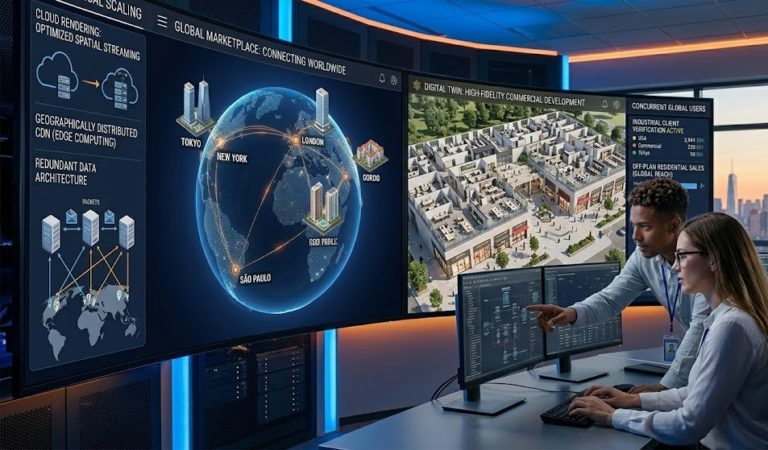
Building the Next Generation of Real Estate Tech
Developing a high-fidelity 3D real estate platform requires robust architecture, seamless user experience design, and powerful backend solutions to handle complex rendering data smoothly across web and mobile devices. Agencies, developers, and proptech startups looking to harness this technology need reliable engineering partners to bring these ambitious visions to life.
If you are looking to create, scale, or elevate your digital real estate presence, exploring innovative and scalable software solutions is crucial. For expert development and cutting-edge digital platforms, visit https://vinode.io/ to discover how modern software engineering can transform your real estate business and help you deliver breathtaking 3D experiences to your clients.
The Shift in Consumer Expectations
Modern consumers expect absolute transparency and immediate convenience. A fully realized 3D environment provides exactly that. It builds trust by offering an unfiltered look at a property, leaving no hidden corners. As hardware capabilities on smartphones and computers continue to advance, the accessibility of these high-end 3D web applications will only increase.
The integration of photorealistic 3D applications is no longer just a luxury marketing tool; it is rapidly becoming the baseline standard for competitive real estate platforms. Embracing this technology ensures that properties stand out in a crowded market, capturing the attention and imagination of prospective buyers worldwide.